
Studios that run cleanly from the first rehearsal
We plan and document studios, camera control, lighting and sound so television and live event crews can work from clear drawings, tidy signal paths and written procedures.
Working from Swansea since 2011 with television and live event teams
Six areas of studio and production planning
entrelux covers the technical planning of a broadcast space from the floor plan to the written procedure. Studio design, camera control, lighting, sound, live event planning and documentation are handled by named specialists in our small Swansea team, so one set of drawings carries through every discipline.
Studio Design Consultancy
Floor plans, sightlines and acoustic zoning for new or refurbished television studios.
Camera Control Systems
Planning of camera shading, remote heads and control room layouts for multi-camera productions.
Lighting Design
Lighting grids, fixture selection and control programming for studios and live events.
Sound and Audio Workflow
Microphone plans, mixing desk routing and monitoring set-ups for broadcast and live audio.
Live Event Production Planning
Technical run sheets, signal flow diagrams and crew plans for live broadcasts.
Workflow Documentation and Training
Written procedures and hands-on sessions that help crews work consistently from show to show.
Tell us what the space or show needs and we will talk through scope with you. Quotations are written after that conversation, not before it.
ServicesThe details we plan, drawing by drawing
Most of our work is done in drawings, schedules and diagrams long before a cable is pulled. Here is a look at the kinds of spaces and equipment those documents cover, from studio floors to control rooms.

Studio floor and set zones
We mark camera positions, set areas and cable routes on the floor plan so presenters, crew and equipment have room to move without crossing sightlines or catching on cabling.

Camera control and shading
Camera control units, remote heads and shading positions are laid out so the operator can see monitors clearly and reach every control without leaning across a colleague.

Lighting grid and fixtures
Fixture types and grid positions are chosen from the shots the programme needs, then written into a patch schedule the lighting operator can follow during rehearsal and the show.
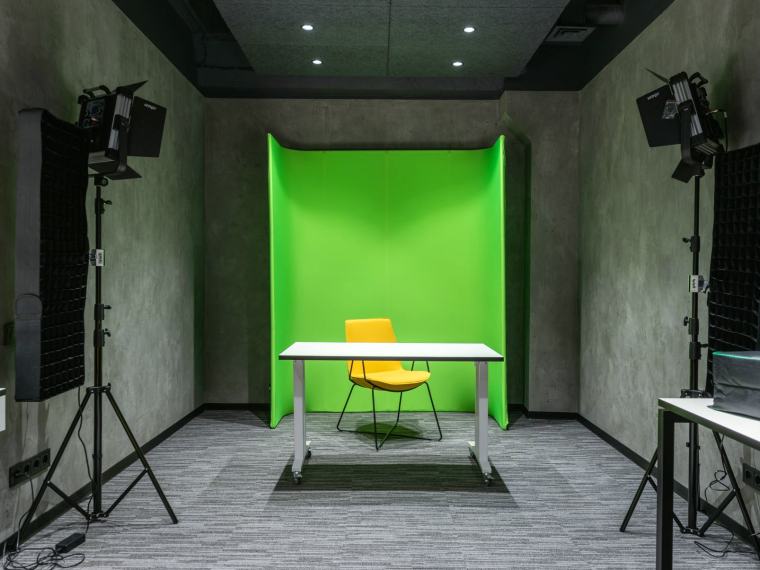
Mixing desk and routing
Microphone plans, desk routing and monitoring feeds are drawn as a single signal path, so an engineer arriving fresh can trace any source from the stage to the output.
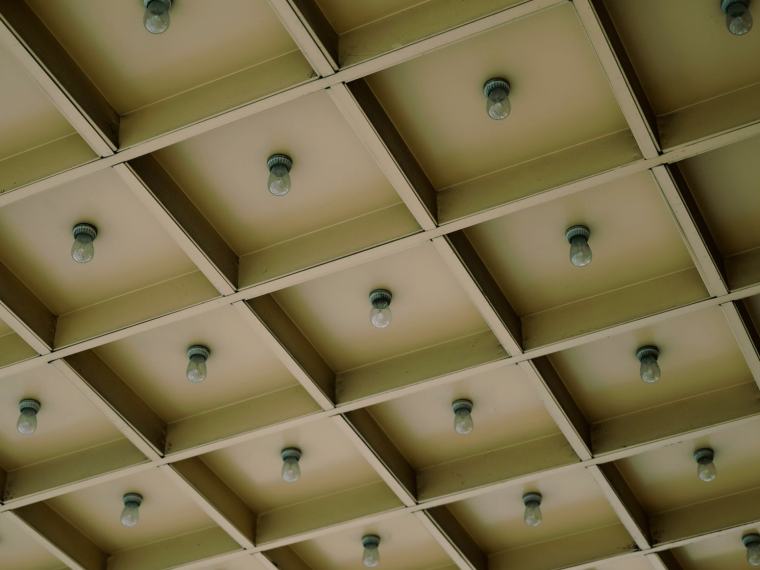
Gallery and signal flow
For live broadcasts we draw the production gallery, vision mixing positions and signal flow in one diagram, with a run sheet that tells each crew member what happens and when.
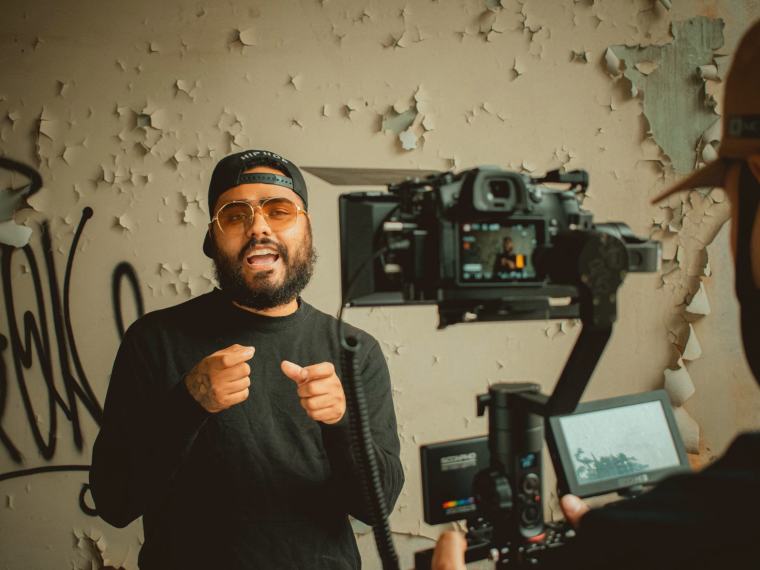
Crew training around the desk
Written procedures are tested with the crew who will use them. Hands-on sessions at the desk and monitors turn the documents into habits that hold from show to show.
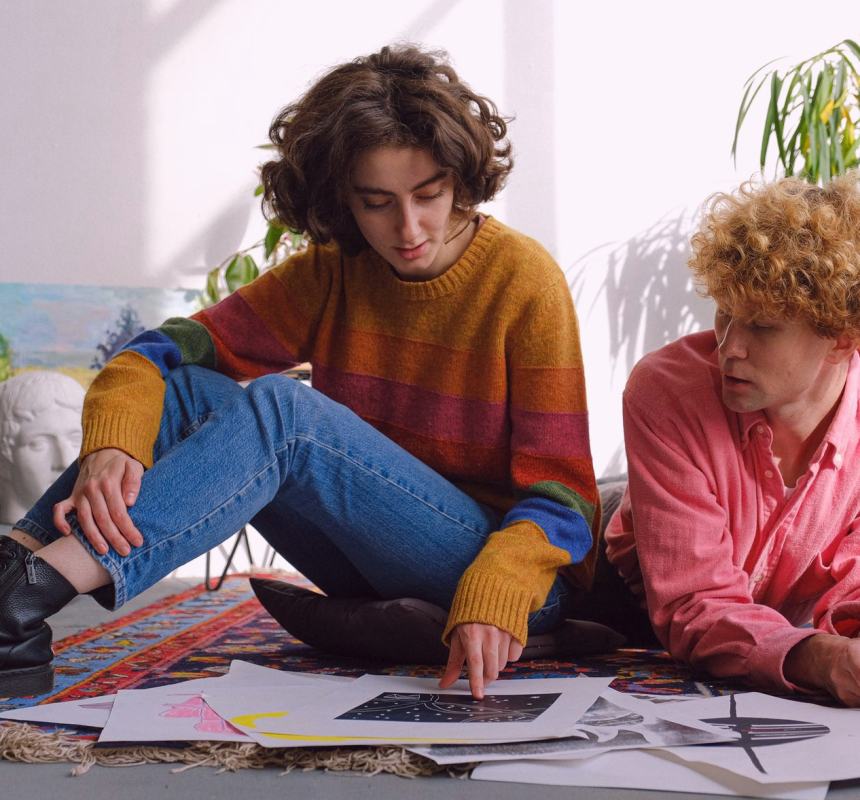
A small consultancy with a plain method
entrelux was founded in Swansea in 2011 by studio designer Rhys Pritchard. The consultancy grew from a simple observation: studios work best when design, lighting, cameras and sound are planned together rather than handed over in separate pieces.
Today four specialists cover studio design, lighting, camera systems and audio workflow. Clients are technical managers, studio planners and production teams at television networks and live event companies who want drawings and procedures they can actually use.
We also publish practical guides on the subjects we work on, written in plain language for production teams. The aim is the same as in our client work: tidy workflows that stay dependable under pressure.
About →How we work
From first conversation to a crew that can run the show
Each project follows the same sequence, whether it is a new studio or a single live broadcast. The steps keep decisions visible and documents consistent, so the people who build and operate the space are never working from guesswork.
-
Briefing conversation
We talk through the space, the programmes, the crew and the constraints. Questions are practical: how many cameras, which shows, what exists already and what must be kept. Nothing is drawn until the brief is clear.
What you leave with
A written summary of the brief that you can check and correct.
-
Survey and requirements
We review the room or venue, existing equipment and the way the crew currently works. This shows where the real constraints sit, such as ceiling height, cable routes, power and acoustic neighbours.
What you leave with
A list of requirements and constraints agreed with your technical manager.
-
Design and drawings
Floor plans, lighting grids, signal flow and audio routing are drawn together so the disciplines do not conflict. We share drafts early and revise them with your team before anything is finalised.
What you leave with
A coordinated set of drawings and schedules ready for review.
-
Documentation
The agreed design is turned into written procedures, patch lists and run sheets in plain language. Each document is written for the person who will use it on the day, not for an archive.
What you leave with
Procedures, schedules and diagrams your crew can follow directly.
-
Handover and training
Where training is part of the work, we run hands-on sessions with the crew at the desk or in the studio. Questions from the session are folded back into the documents so they match real use.
What you leave with
Updated documents and a crew that has worked through them in practice.
Planning a studio or a live broadcast
Call or write with a short description of the space or show. We will ask a few practical questions and then confirm in writing how we would approach the work.
Call us directly
01792 410 386Ask for a quote
- Call us
- 01792 410 386
- Write to us
- [email protected]