
Conventional or LED Fixtures for a Studio Rig: A Comparison
Lighting Design part two: we weigh a conventional tungsten-halogen rig against a full LED one for a working studio, covering heat, colour, control and upkeep, and end with a clear recommendation.
6 minutes to read
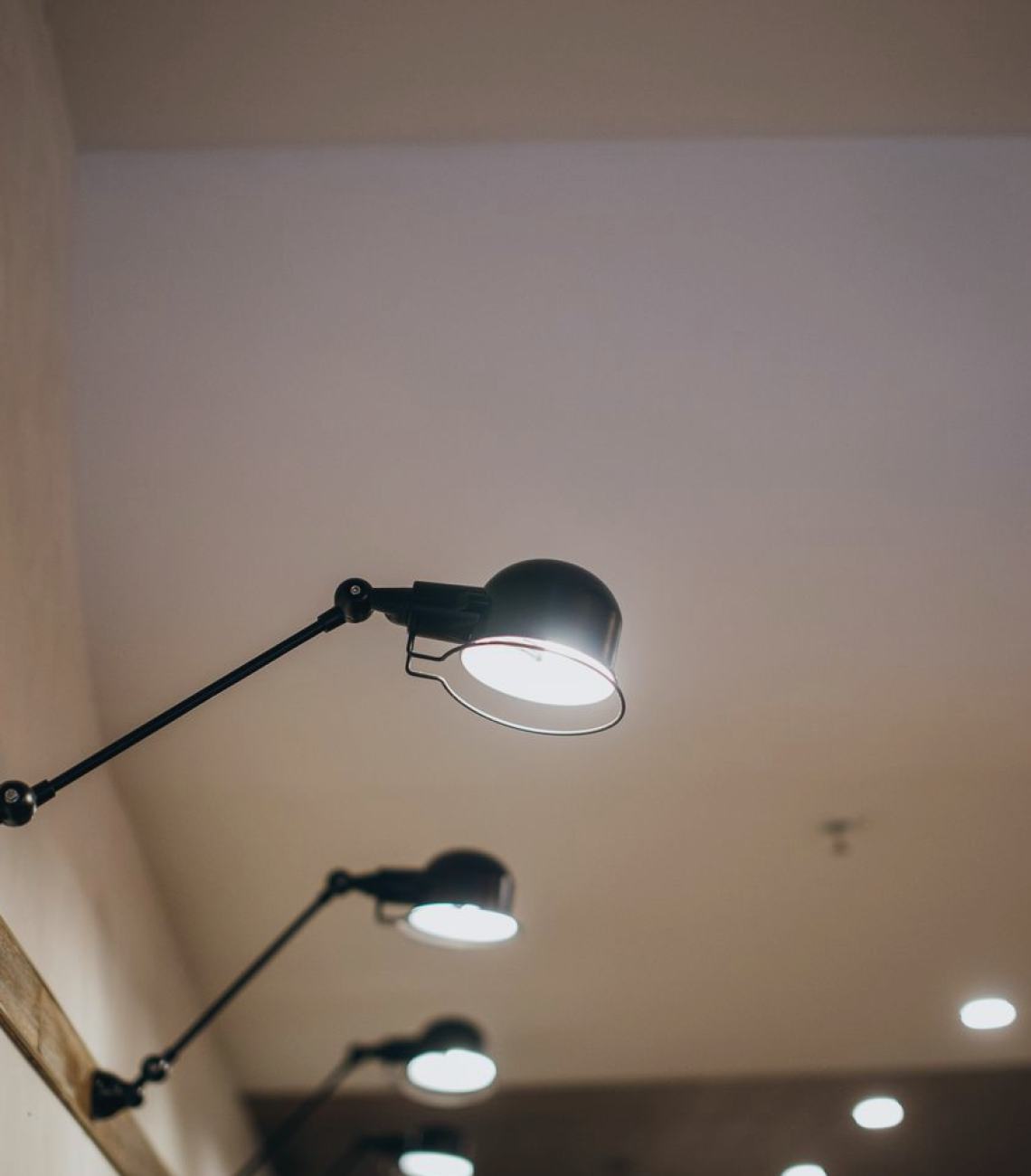
The two options on the table
Most refurbishment briefs we see arrive at the same fork. One option is to keep or rebuild a conventional rig of tungsten-halogen fresnels and profiles on a dimmer system. The other is to move the whole grid to LED fixtures run from a digital control desk. Both can light a studio well, and both have crews who swear by them.
This note compares them on the points that decide a studio's daily life rather than the points a catalogue emphasises: heat, colour behaviour, power, control, maintenance and the cost of changing your mind later. I write it as the audio workflow lead, which means I spend a lot of time in studios where lighting decisions land on my microphones, so noise and rigging come into it as well.
The lighting design itself belongs to Carys Hughes, who plans grids, fixture selection and control programming for us. What follows reflects how she frames the choice with clients, and where the two of us see the effects of that choice on the same floor.
Heat, power and the studio floor
Tungsten-halogen fixtures turn most of their power into heat. In a studio with a modest ceiling that heat has to go somewhere, so the air handling is sized around the rig. Presenters feel it under long programmes, and in mid autumn the extra warmth is welcome in the morning and a nuisance by the afternoon.
LED fixtures draw a fraction of the power for comparable output. That reduces the load on the dimmer racks, the cabling and the cooling, and it can change what the building's supply needs to carry. For a studio that is short of capacity, this alone can settle the argument before colour is even discussed.
There is a trade-off. LED fixtures carry electronics and often small fans, and a fan is a noise source. Quiet-running models exist, but they should be tested in the room with the microphones live, not judged in a showroom.
- Conventional: high heat, larger cooling and supply demand
- LED: low heat and power, but check fan noise on the actual floor
Colour, dimming and what the camera sees
Tungsten sources have a smooth, continuous spectrum and dim down warmly, which is why cameras and skin tones have long been comfortable with them. The limit is fixed colour temperature: to change it you reach for gels, and gels fade and need replacing.
Modern LED fixtures can shift colour temperature and tint from the desk, which saves gel stock and speeds up changes between programmes. The quality varies widely between models, though. Cheaper units can show uneven colour across a face or flicker at low levels on certain camera shutter settings.
Our advice is to test the shortlisted fixtures with the studio's own cameras at the shutter and frame rates you actually use. Look at skin tones, at white surfaces, and at the bottom of the dimming curve, because that is where weaker fixtures give themselves away.
Control and day-to-day running
A conventional rig is simple to understand. A dimmer channel feeds a lamp, and almost any lighting operator can fault-find it. Spares are cheap and widely available, and the habits of the crew are already formed.
An LED rig lives or dies by its control programming. Each fixture needs an address and a mode, and a clear patch plan, and the desk holds looks that can be recalled exactly from show to show. That repeatability is its great strength for a studio running several formats a week, but it demands tidy documentation, or one change will quietly undo another.
This is where the written procedures matter. A rig with well documented patching and a named set of recallable looks gives a visiting crew a safe starting point. Without that, even an excellent fixture choice turns into guesswork on the night.
- Document the patch, fixture modes and saved looks before handover
- Keep a short list of spares for the fixtures that fail most often
Cost over the life of the rig
Purchase price points one way and running cost points the other. A conventional rig is cheaper to buy, but lamps are consumables, gel needs renewing, and power and cooling cost more every month. An LED rig costs more at the start and then spends little on lamps and energy.
The fair comparison is across several years of use, and it depends on how many hours the studio is lit. A studio that is on air most days recovers the extra outlay far sooner than one used for a few days each month.
Resale and flexibility count too. LED technology is moving quickly, so a very cheap fixture today may be hard to match in colour with one bought in a few years. Choosing a reputable range with a clear supply history makes later additions much safer.
Our recommendation
For a studio in regular use, we recommend an LED-based grid with a small number of conventional units kept for specific effects or for crews that need a familiar look. The savings in power, heat and gel handling are real, and recallable looks suit a place that changes format often.
The recommendation comes with conditions. Test candidate fixtures on your own cameras, listen for fan noise with live microphones, and insist that the patch plan and saved looks are written down before the rig is handed over.
If the studio is used only occasionally, or the supply cannot be improved, a conventional rig remains a sound and economical choice. The worst outcome is a mixed grid assembled without a plan, so decide the approach first and buy fixtures second.
- Frequent use: LED grid with a few conventional units
- Occasional use: conventional rig is still reasonable
The choice between conventional and LED lighting is less about fashion than about how often the studio is lit, what its supply and cooling can bear, and how well the crew's habits are documented. Test fixtures in the real room, plan the control before buying, and write down the patch. Done in that order, either option can serve a studio well, and LED will usually serve a busy one better.
Megan Lloyd
Audio Workflow LeadMegan designs audio routing and monitoring plans and writes the practical guides on sound.
Ask for a quote
- Call us
- 01792 410 386
- Write to us
- [email protected]