
A Control Room Rebuilt Around the Shaders: Idris and His Four Cameras
A short account of one customer, Idris, and the camera control room we planned with him: shading positions, remote heads and a desk layout his crew could run without shouting across the room.
5 minutes to read
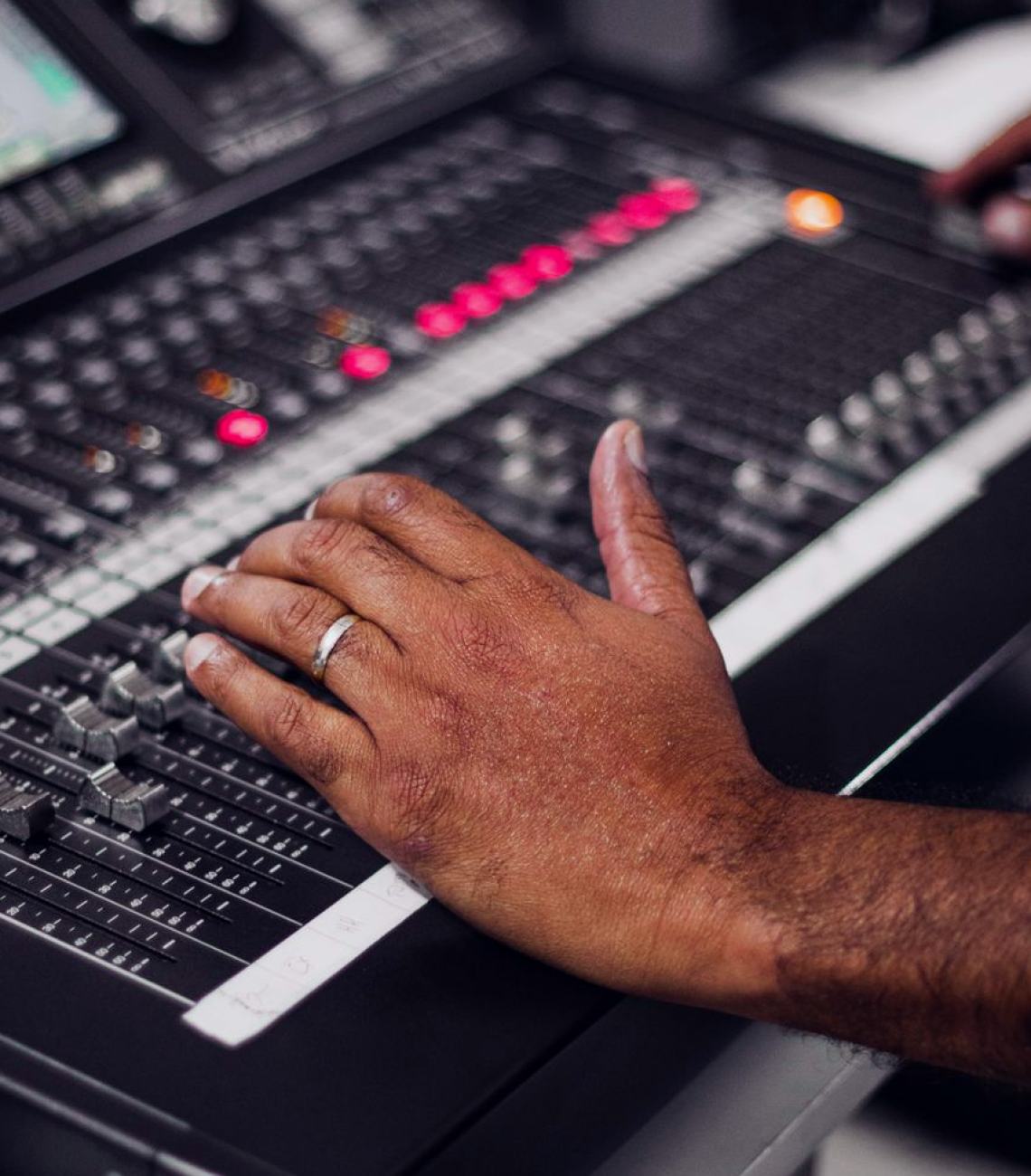
Idris and the room he inherited
Idris runs technical operations for a small regional production team, and he came to us in the early weeks of autumn with a problem that looked like a equipment question but was really a layout one. His four-camera studio had grown piece by piece. The shading position sat behind the vision mixer, the remote head controller lived on a side table, and the tally wiring had been extended so many times that nobody trusted a diagram of it.
He did not ask for new cameras. He asked why his crew spent the first twenty minutes of every show negotiating who could see which monitor. That question became the brief. We spent a morning in the room before drawing anything, watching a rehearsal and noting where heads turned, who stood up, and which screens were glanced at and which were ignored.
Rhys Pritchard, writing this one myself because I led the visit, will say plainly that most of what we found was ordinary. Good camera control work is rarely clever. It is mostly the patient removal of small frictions.
What we saw during the first rehearsal
The rehearsal told us more than the drawings. The shader had to lean sideways to see the preview wall because a rack sat in the sightline. The director could not hear the camera operators' talkback over the gallery speakers without turning one down, which meant turning down the programme feed too. Two people reached across each other to adjust the same desk.
None of this was careless work. The room had simply been built for two cameras and extended to four without anyone stepping back. We wrote down every interruption in a plain list, with the time it happened, and showed Idris the list before offering any solution. Seeing eleven interruptions in one run-through did more to agree the scope than any proposal could have done.
- Shading position blocked from the preview wall by a rack
- Talkback and programme audio sharing one speaker level
- Remote head controller too far from the director's seat
Planning the shading position first
We started with the shader because every other decision follows from where that person sits. The shading position needs a clear view of the preview and programme monitors, a waveform and vectorscope at eye level, and room for the camera control panels without cables crossing the operator's lap. We drew three arrangements to scale and walked Idris through each with masking tape on the floor.
The tape mock-up mattered. On paper the second option looked tidy, but with the tape down the shader's elbow collided with the vision mixer's chair. Moving the shading desk forty centimetres to the left and angling it slightly resolved that, and gave the director a direct line to both of them. We then rechecked the cable runs to the camera control units so that nothing needed to pass beneath a walkway.
Remote heads and who controls them
Two of Idris's four cameras were on remote heads, and the controller for them had no fixed home. We proposed placing it beside the director rather than the vision mixer, since the director calls the shot moves and the mixer simply takes what is chosen. This meant a short run of additional control cabling, which we specified and labelled in the documentation.
We also wrote down the preset conventions: which positions are stored for which camera, how they are named, and who may overwrite them. It sounds fussy, but a crew changing over between shows will otherwise save over each other's work. The naming scheme we agreed was deliberately dull, using position and camera number only, so a freelancer arriving at short notice could read it at once.
- Controller moved beside the director's seat
- Presets named by camera number and position
- One person authorised to overwrite stored positions
Sorting the signal and talkback paths
With the desks placed, we turned to the wiring behind them. We traced every tally, talkback and control line from the cameras back to the rack, replaced the improvised extensions with labelled runs, and drew a signal flow diagram that fitted on one sheet. Idris's engineer said it was the first time he had seen the whole path on a single page.
Talkback was separated from the gallery speakers with a dedicated headset channel for the camera operators, so the director could speak to them without altering programme monitoring. We kept the change small on purpose. The existing intercom hardware stayed, and only its routing and labelling changed, which kept the work within a modest budget and avoided a long shutdown of the room.
How the first show went afterwards
The first live show in the rearranged room ran without the opening negotiation. Idris told us the crew took their positions and started checking cameras within a few minutes. He did not claim any dramatic gain, and neither do we. What he noticed was that the room was quieter, which in a gallery is usually a sign that people can see and hear what they need.
We returned a fortnight later to review the documentation against what the crew actually did. Two labels had been renamed by the team, which we adopted into the drawings, because the written procedure should follow the working habit and not the other way round. That small correction is part of the job: the plan is finished only when the people using it recognise their own room in it.
Idris's case was not about equipment. It was about sightlines, a controller in the right seat, and wiring someone could read. If your camera control room feels crowded or noisy, begin by watching a rehearsal and listing every interruption. The pattern in that list usually points to the layout change worth making first, and it costs little to find out.
Rhys Pritchard
Founder and Studio DesignerRhys has designed studio layouts for over a decade and leads the consultancy's design work.
Ask for a quote
- Call us
- 01792 410 386
- Write to us
- [email protected]